
Call 770-945-0072

Residential specialty service

Fiberglass Tub Repair and Refinishing

Cracks, holes, soft spots and worn finishes do not automatically mean a fiberglass tub has to come out. Often, localized damage can be repaired in place. The first step is always finding out whether the problem is cosmetic or structural.

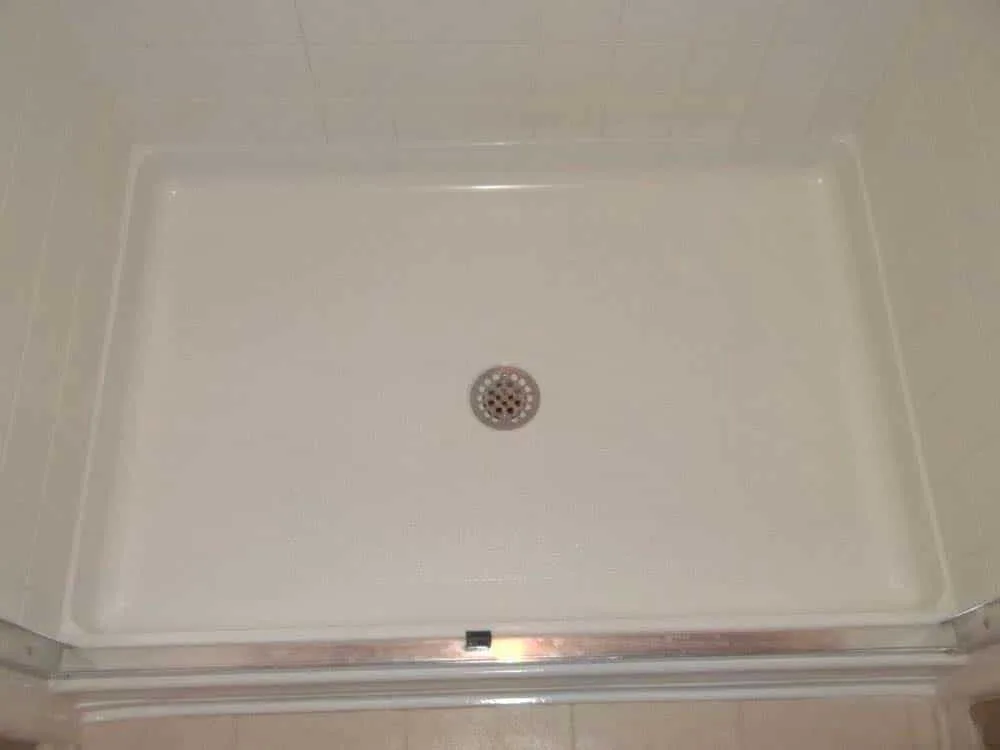
Shower pan with an even white surface after refinishing by Unique Refinishers
Unique Refinishers project: a shower pan after refinishing. A refinishing result, not a structural repair.

The key question

Cosmetic damage or structural damage?

Fiberglass tubs are lightweight and common in homes, but impact, poor support and age cause very different kinds of damage. Telling them apart decides the repair.

Comparison of cosmetic and structural fiberglass tub damage
AspectUsually cosmeticPossibly structural
What you seeFading, scratches, stains, dull or peeling finish, small surface chipsCracks that widen or return, holes, soft or spongy areas
How the tub feelsSolid underfootFlexes, creaks or moves
MoistureNoneDiscoloration, dampness or leaks near the damage
Typical next stepRefinishing, after minor repairsEvaluation, repair and any support work first

Evaluate before you coat

A new coating does not correct underlying structural problems. These conditions need attention before any refinishing:

  • An unstable or soft floor needs evaluation
  • Structural cracks and movement must be addressed
  • Active leaks require appropriate repair

We assess these first, and we tell you when a repair is not practical.

Common problems

Fiberglass tub problems we evaluate

Understanding the problem is the first step toward deciding between a localized repair, wider restoration, refinishing or replacement.

Cracks

Cracks can start from an impact, repeated stress, or a tub that flexes because it is not properly supported. Some stay in the surface; others go deeper into the fiberglass.

Warning signs

  • Hairline cracks on the floor or walls
  • Cracks around the drain or other stress points
  • Cracks that widen or return after a repair
  • Damage with movement, moisture or discoloration nearby
Soft spots

An area of the floor that yields underfoot can mean deteriorated fiberglass, missing support beneath the tub, or moisture damage. Continued movement often leads to cracking.

Warning signs

  • Floor feels spongy or flexes when you stand
  • Creaking or movement in one area
  • Cracks forming around the soft area

Holes and impact damage

Dropped objects and long-term deterioration can open a hole. Size, depth and location decide whether a repair is practical. Damage that lets water reach the structure should be looked at promptly.

Warning signs

  • A puncture or broken-out area
  • Water getting behind or below the tub

Flexing and movement

Some flex is normal, but excessive movement points to inadequate support, deteriorating material or an installation problem. It must be addressed before a surface repair can last.

Warning signs

  • Visible movement when the tub is used
  • Repeated cracking in the same area

Fading, scratches and a worn finish

Many fiberglass tubs are sound but look tired: faded or discoloured, scratched, dull, stained, lightly pitted, or with a peeling earlier coating. When the shell is stable, refinishing may be the answer.

Warning signs

  • Dull or chalky surface
  • Stains that will not clean out
  • Peeling previous coating or patchy old repairs

Repair vs replace

Can your fiberglass tub be repaired?

Many fiberglass problems can be repaired. But the fact that a crack or hole can be filled does not mean the tub is a good candidate. The goal is to fix the cause as well as the visible damage.

Repair may be appropriate when

  • The crack or hole is limited to one area
  • The surrounding fiberglass is stable
  • The damage can be reached and properly prepared
  • Any support or moisture problem can be corrected

More work or replacement when

  • Cracks are widespread or keep coming back
  • Large areas of the floor have deteriorated
  • Movement cannot be corrected economically
  • Severe water damage affects the installation

What to expect

How professional fiberglass tub repair works

The steps vary with the damage, the tub’s construction and the surrounding material.

  1. Step 1: Inspection and damage assessment

    We look at where the cracks or holes are, the condition of the surrounding fiberglass, any signs of moisture, and whether the tub flexes.

  2. Step 2: Surface preparation

    The area is cleaned and loose or damaged material removed so the repair system can bond to a sound surface.

  3. Step 3: Repair and reinforcement

    Depending on the damage, compatible resins, reinforcement materials or fillers are used. Not every repair needs reinforcement, and support problems must be corrected separately.

  4. Step 4: Smoothing and finish restoration

    Once cured, the repair is smoothed. The final step is either a localized finish or a full refinish, depending on the rest of the tub.

  5. Step 5: Final inspection and care instructions

    The work is checked, and we explain the cure period, when the tub can be used, and how to care for it.

Refinishing after repair

Repair, refinishing, or both

Repair

Fixes a specific defect such as a crack, hole or damaged section. It matters most when the damage affects the tub’s integrity, not just its appearance.

Refinishing

Renews the visible surface of a sound tub that has become dull, stained, scratched, faded or dated. It cannot make up for an unstable floor, a structural crack or a leak.

Both

A tub with localized damage and general wear may be repaired and then refinished, so the repaired area and the rest of the tub look consistent.

More in our guide to refinishing fiberglass tubs and the bathtub refinishing guide.

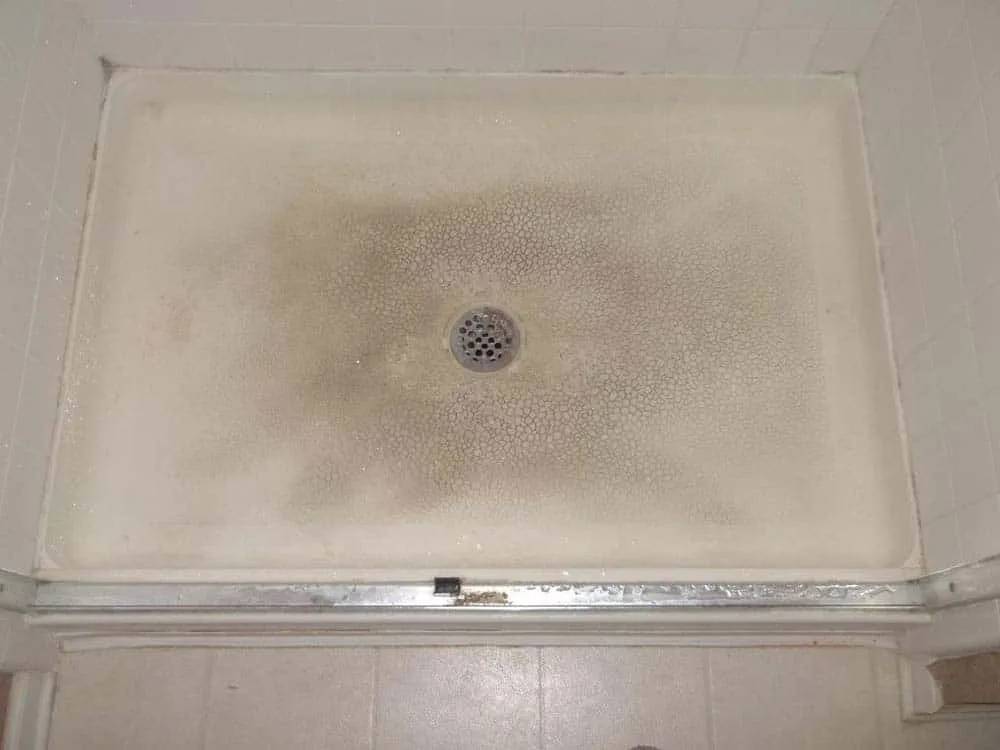
Shower pan with dark staining and wear around the drainBefore
The same shower pan after refinishing with an even white surfaceAfter
Unique Refinishers project: a worn, stained shower pan refinished. Shown to illustrate refinishing; it is not a crack repair.

Lasting results

Why fiberglass repairs sometimes fail

Unresolved movement
Flexing keeps stressing the repaired area.
Inadequate preparation
Contamination or unstable material interferes with bonding.
Incompatible materials
Products must suit the substrate and the use.
Moisture problems
Water intrusion can affect surrounding materials and the repair.
Insufficient curing
Using the tub before products cure as directed.
Surface-only fixes
Covering a defect without addressing deeper damage.

Caring for a repaired fiberglass tub

  • Use mild, non-abrasive cleaners suited to the finish
  • Clean with a soft sponge or microfiber cloth
  • Avoid abrasive powders, steel wool and scouring pads
  • Do not use the tub until we confirm it has cured
  • Avoid dropping heavy objects on the surface
  • Follow our instructions on bath mats and cleaning products
  • Report new cracks, movement or leaks promptly

If a repaired area cracks again or a soft spot develops, another surface patch is rarely the answer. The underlying condition should be reassessed.

Homeowner questions

Fiberglass tub repair FAQ

Can a cracked fiberglass bathtub be repaired?

Some can. The method depends on the crack’s depth, size, location and cause. Cracks linked to movement, poor support or extensive structural damage need further evaluation before we can recommend a repair.

Can a hole in a fiberglass tub be repaired?

A localized hole may be repairable with compatible materials and proper preparation. Larger holes, or damage that reaches the supporting structure, may need more extensive work.

Can a soft spot be fixed?

Potentially, but the cause has to be found first. If the fiberglass has deteriorated or the tub lacks support, that must be addressed. A new coating over a soft floor will not fix it.

Can you refinish a fiberglass tub that has cracks?

Sometimes. The cracks are evaluated and, if the tub is stable, repaired before refinishing. Coating over an unresolved crack can lead to recurring damage. See can you refinish fiberglass bathtubs.

Is it better to repair or replace a fiberglass tub?

Repair is usually practical when the damage is localized and the tub is structurally sound. Replacement may be the better choice when damage is widespread or the repairs needed are not technically or economically sensible.

How long does fiberglass tub repair take?

It depends on the size and location of the damage, the repair method, any support work and the curing requirements of the materials. We confirm the expected timeline with your estimate.

Will the repair be visible?

That depends on the damage, the tub’s colour and texture, and whether the surrounding surface is refinished. We aim for a smooth, consistent finish, but an exact colour or texture match cannot be guaranteed in every case.

Can you refinish a fiberglass tub that is worn but not damaged?

Often, yes. When the shell is solid and does not flex or leak, a dull, stained, scratched or faded fiberglass tub can be refinished in place. We confirm that during the evaluation. For background on suitability, read can you refinish fiberglass bathtubs.

What should I send for an estimate?

Photos of the damaged area and of the whole tub or shower pan, your city, and a note on what you have noticed, such as flexing, soft spots or water where it should not be. Those details help us tell you whether a repair, a refinish or both look practical.

Can a repaired fiberglass tub still leak?

A repair can resolve a leak caused by a repairable defect, but the source has to be identified. Drains, plumbing connections, seals and structural problems may need separate work. Any active leak should be evaluated before refinishing.

Chips or rust on a porcelain or cast-iron tub instead? See bathtub repairs and refinishing. For an overview of each stage after a repair, read our bathtub refinishing process, and see completed projects on our customer reviews and results page.

We are based in Sugar Hill and provide fiberglass tub repair for homeowners across Metro Atlanta and surrounding communities, with residential service extending to Athens, Dawsonville, Peachtree City and Macon. Availability varies, so call to confirm your address or browse our residential service areas.

Request a Fiberglass Tub Evaluation

Tell us what you are seeing: a crack, hole, soft spot or worn finish. Photos of the damage and the whole tub help us advise you.

Tell us about your project and we’ll review your request. Photos of the bathtub, shower, tile or sink can help us evaluate the work.

Optional. JPG, PNG, WebP or HEIC, up to 10 MB.

Fields marked * are required. We use your details only to respond to this request.

Prefer to talk? Call us directly:

Call 770-945-0072