
Residential specialty service
Bathtub Repair and Refinishing
Chips, surface cracks, rust and worn coatings do not always mean a new tub. Depending on the damage, we repair just the affected area or repair and refinish the whole surface. Every job starts with an honest evaluation, backed by more than 55 years of refinishing experience.
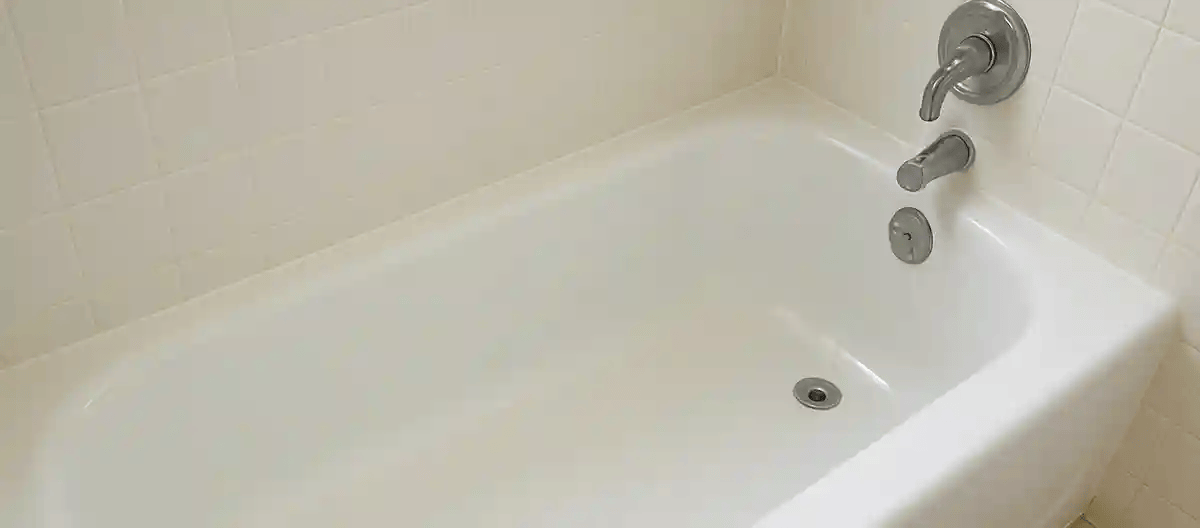
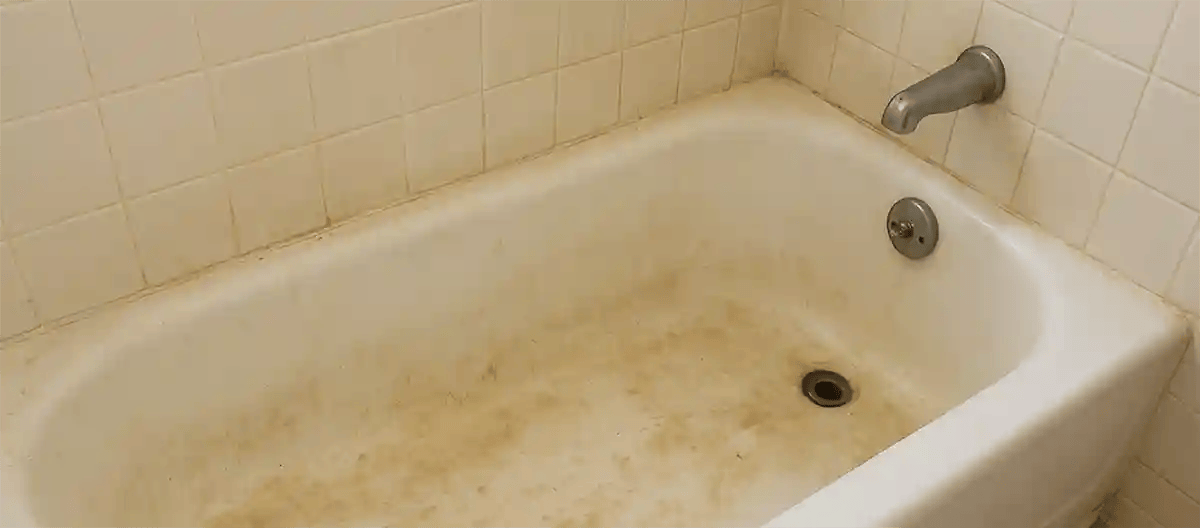
Two different jobs
Spot repair or a full refinish?
A repair fixes a specific damaged area. Refinishing gives the whole tub a new bonded surface, and it always includes repairing damage first. Which one you need depends on how much of the surface is affected and what caused the damage.
A spot repair may be enough when
- The damage is limited to one or a few small areas
- The rest of the finish is in good condition
- You are happy with the tub's current colour
- The tub is stable, with no movement or leaks
Refinishing makes more sense when
- Wear, stains or chips are spread across the surface
- The finish is dull, rough, porous or peeling
- You want to change a dated colour
- A spot repair would stand out against an aged surface
Common damage
What we repair, and what usually follows
These are typical outcomes, not promises. The right approach is confirmed when we see the tub.
Chips
Impact chips in porcelain or enamel can often be filled and blended. On steel tubs, chips left open tend to rust at the edges.
Typical approach: Often a spot repair
Surface cracks
Hairline cracks in the finish may be repairable when the tub underneath is stable. Cracks that move, widen or leak need a closer look first.
Typical approach: Evaluation needed
Rust
Rust around drains, overflows and chips is removed and the area rebuilt before any new coating goes on.
Typical approach: Repair, then refinish the area or the tub
Stains
Stains that have worked into a worn, porous finish usually will not scrub out. A new surface is often the practical fix.
Typical approach: Usually a full refinish
Worn or failing coatings
A dull, rough or peeling finish, including an earlier refinish that has failed, is stripped or prepared and recoated.
Typical approach: Usually a full refinish
Discoloration and dated colour
Yellowing or a period colour such as pink, green or beige can be refinished to white or another colour.
Typical approach: Full refinish
Read more in our guides to chip repair, crack repair, rust removal and common bathtub surface problems.
Our own work
Repairs and refinishes, before and after
Photos from Unique Refinishers projects. No stock images or renderings.
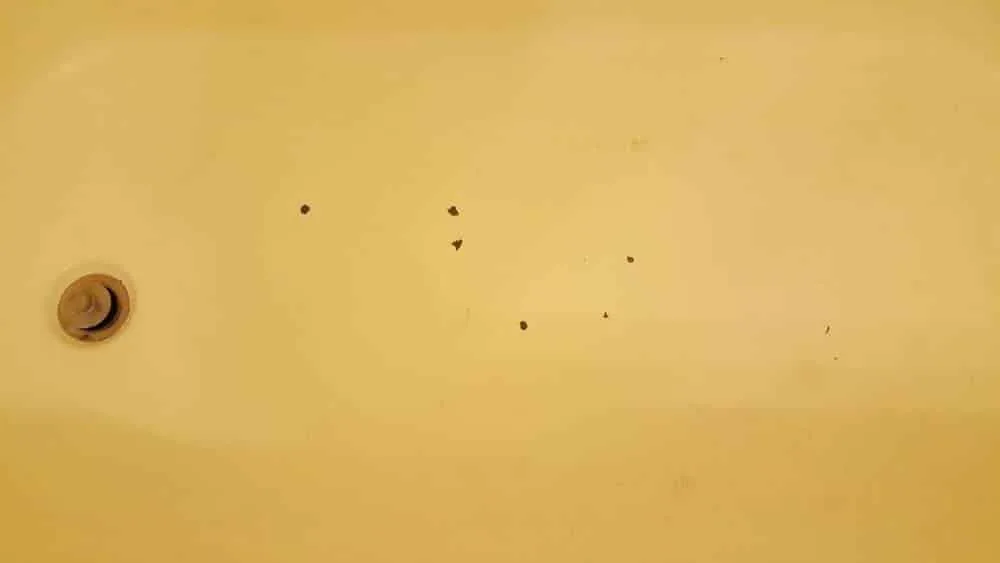 Before
 After
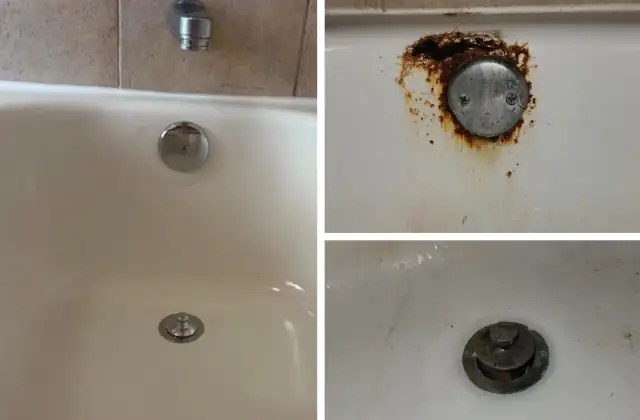
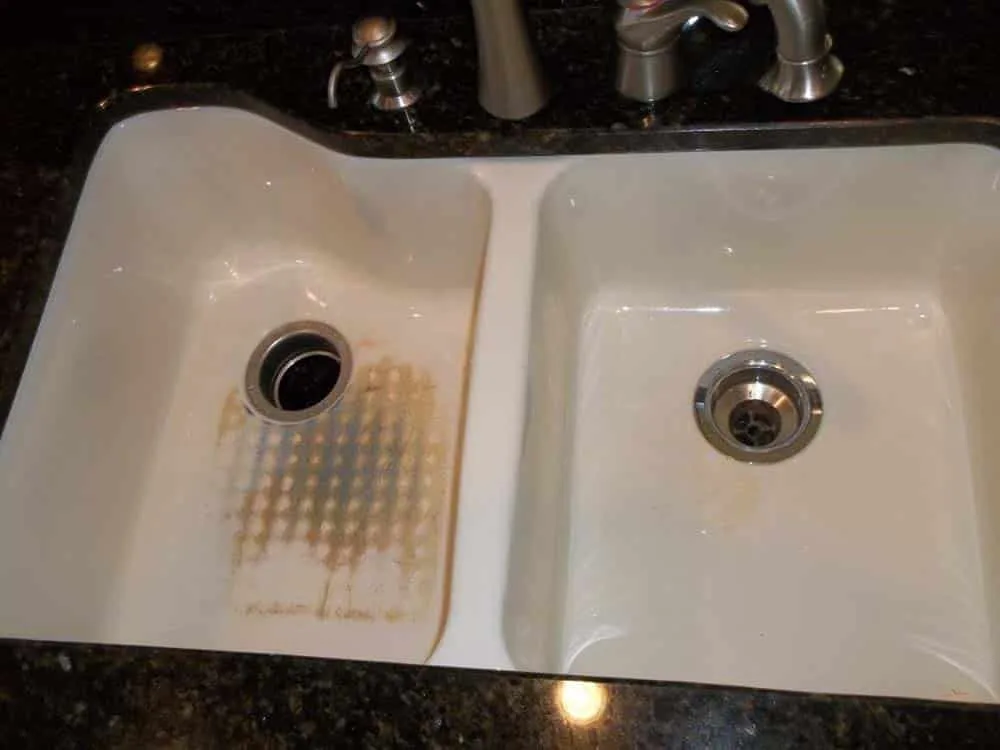 Before
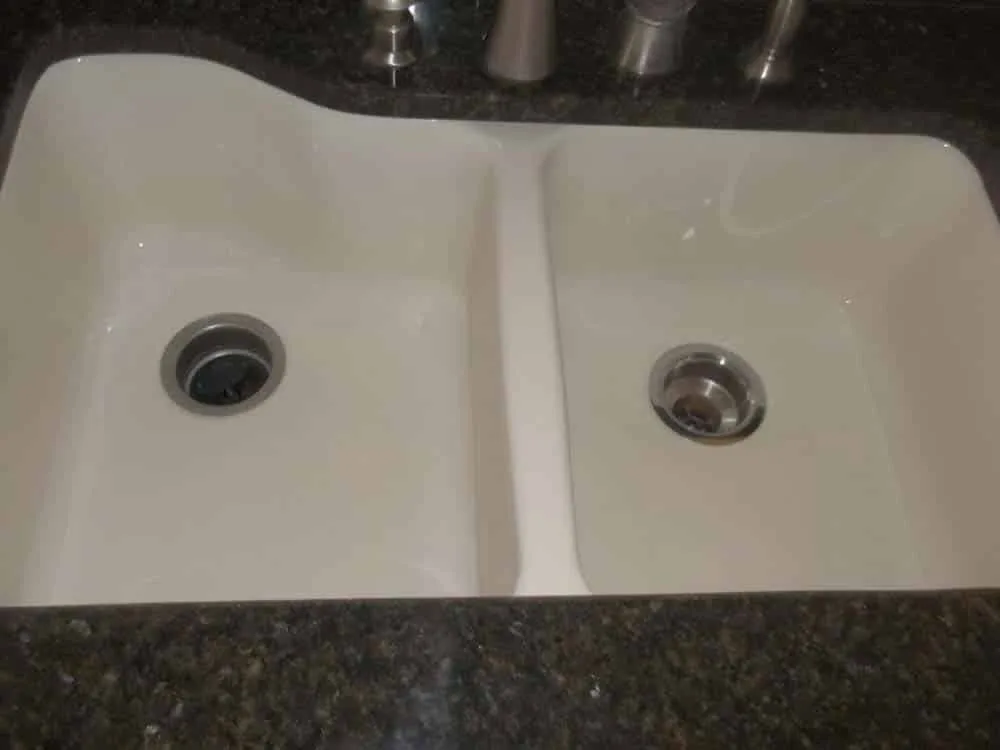 After
Materials
Tub materials we repair
- Porcelain on steel
- Common in older homes. Chips expose steel that rusts, so prompt repair matters. See also porcelain tub repair below.
- Cast iron
- Heavy and long-lived. Worn enamel and chips can usually be repaired and refinished in place.
- Fiberglass and acrylic
- Cracks need extra care because the shell can flex. Our fiberglass page explains the evaluation.
More detail: fiberglass tub repair and porcelain tub repair.
When replacement is the better call
A new finish only fixes the surface. We will recommend replacement or another trade when:
- The tub is cracked through or actively leaking
- The tub moves or flexes because of a weak floor or missing support
- Cracks keep returning after earlier repairs
- You need plumbing or layout changes
What to expect
How a repair and refinish is done
Work is done in place, so tile and plumbing stay where they are. Preparation is most of the job.
Step 1: Thorough cleaning
Soap film, body oils, cleaning residue and mineral deposits are removed so the repair and coating can bond.
Step 2: Surface preparation and repair
Chips, suitable cracks and rusted areas are repaired and the surface is prepared so it is smooth and sound.
Step 3: Priming
A bonding primer is applied to help the new finish adhere to the existing surface.
Step 4: Coating in multiple layers
The refinishing coating is applied in several layers. Colour and finish are chosen with you beforehand.
Step 5: Quality inspection and care
The finished surface is inspected, and we explain the cure period and how to clean the tub.
Repairing and refinishing keeps the existing tub out of the landfill and avoids demolition. It is not uncommon for us to see tubs we refinished 10–15 years earlier still in excellent condition; that is our observation, not a guarantee.
Related pages: specialty bathtub refinishing, Jacuzzi and whirlpool tubs and bathtub safety options.
Homeowner questions
Bathtub repair FAQ
Can every crack in a bathtub be repaired?
No. Many surface cracks can be repaired, but a crack caused by movement, a weak floor or structural damage may come back if only the surface is treated. We evaluate the cause first and tell you plainly if repair is not a sound option.
Will a chip repair match the rest of my tub?
We blend repairs as closely as practical, but an exact colour or gloss match cannot be promised on every tub, especially older or coloured fixtures. If a seamless look matters, refinishing the whole tub gives a uniform surface.
Is it better to repair or refinish the whole tub?
Isolated damage on an otherwise good surface is usually a repair. Widespread wear, staining, several chips or a colour change point to a full refinish, which includes the repairs. We will recommend the smaller job when it is enough.
What types of tubs can you repair?
We work on porcelain-on-steel, cast iron, fiberglass and acrylic tubs. Suitability depends on the material and its condition, which is why every job starts with an evaluation. For fiberglass damage, see fiberglass tub repair.
How long will the repaired or refinished surface last?
It depends on preparation, use and cleaning. In our experience it is not uncommon to see tubs we refinished 10–15 years earlier still in excellent condition. That is an observation from our own work, not a warranty or a promised lifespan.
How much does a bathtub repair cost?
Price depends on the damage, the material and whether the whole tub is refinished. Photos and a short description are usually enough for a free estimate. Our cost guide explains what affects pricing.
When can I use the tub again?
The coating needs time to cure before use. Cure time varies with the products and conditions, so we confirm it for your project before work begins.
We are based in Sugar Hill and provide bathtub repair and refinishing for homeowners across Metro Atlanta and surrounding communities, with residential service extending to Athens, Dawsonville, Peachtree City and Macon. Availability varies, so call to confirm your address or browse our residential service areas.
Related residential services
Other ways we restore bathroom fixtures
- Fiberglass tub repairCracks, holes, soft spots and worn finishes in fiberglass tubs, evaluated first.
- Tile refinishing (tile tune-up)A new finish for sound but dated, stained or worn ceramic tile.
- Antique tubs & sinksClawfoot, cast-iron and vintage porcelain fixtures, evaluated one by one.
- Tub cut-down conversionsA lower step-in opening cut into a suitable existing tub.
- Slip-resistant tub bottomsA textured finish added to the standing area of a suitable tub.
Get a Residential Bathtub Repair Estimate
Send a photo of the chip, crack, rust or worn area. We will tell you whether a repair is enough or the whole tub should be refinished.
Tell us about your project and we’ll review your request. Photos of the bathtub, shower, tile or sink can help us evaluate the work.
Prefer to talk? Call us directly:
Call 770-945-0072